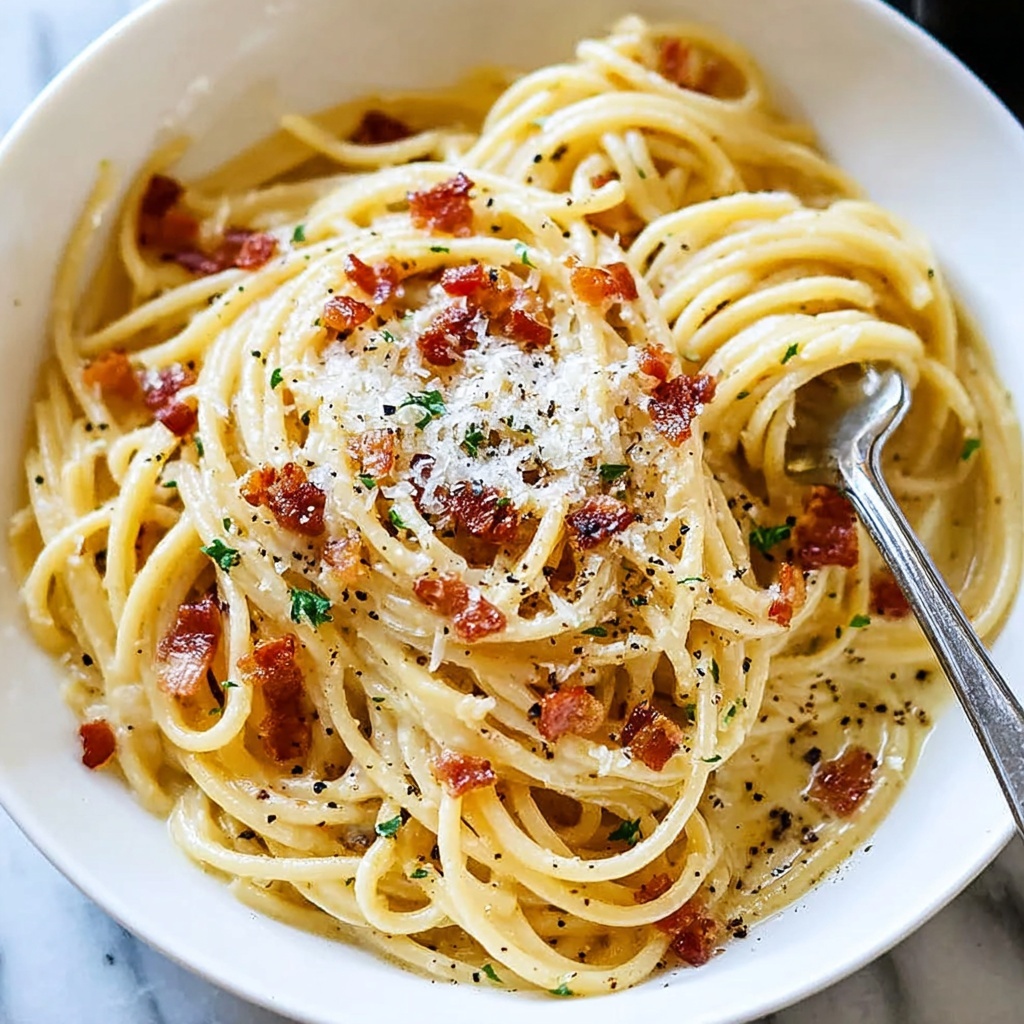
If you have been craving a dish that perfectly balances rich, creamy textures with a punch of savory, salty goodness, you are in for a treat. This Creamy Traditional Italian Carbonara Pasta with Pancetta or Guanciale Recipe highlights the magic of simple ingredients coming together to form an irresistible classic. Unlike many creamy pastas that rely on heavy cream, this recipe creates its luscious sauce using just eggs, cheese, and rendered pork fat, resulting in a silky, indulgent experience that honors authentic Italian tradition.
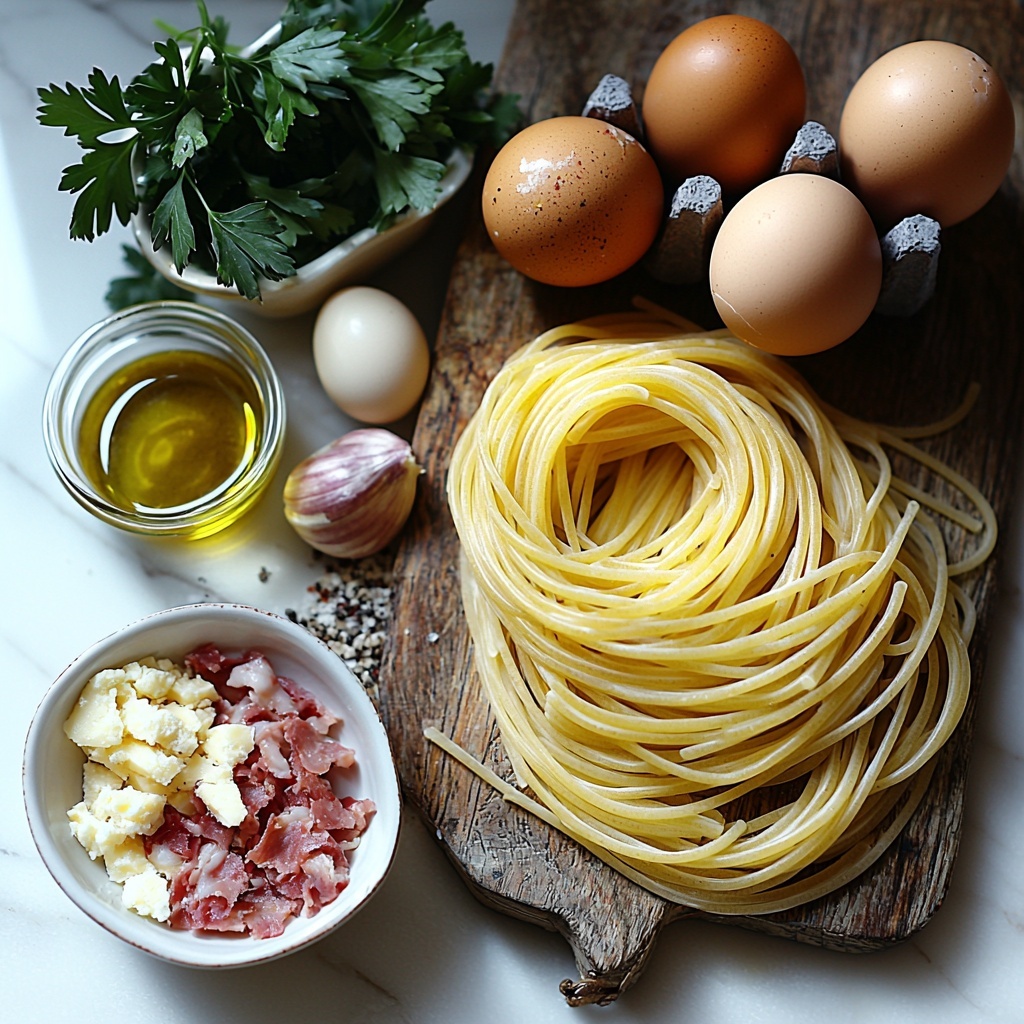
Ingredients You’ll Need
Getting started with carbonara means gathering just a handful of essential ingredients, each playing a pivotal role in crafting that perfect harmony of flavors and textures. Every item contributes something special—from the salty crispness of pancetta or guanciale to the bright, sharp tang of Pecorino Romano.
- 12 oz pasta (spaghetti recommended): The classic choice that holds the sauce beautifully, but rigatoni, fettuccine, or bucatini work well too.
- 2 tbsp olive oil: Used when cooking pancetta to help render its flavors gently without burning.
- 4 oz pancetta or guanciale, diced: Guanciale is the authentic, richer pork cheek, while pancetta is a more accessible but equally delicious substitute.
- 2 large eggs: The secret to the creamy texture, combining with cheese to form the luscious sauce.
- 1/2 cup grated Pecorino Romano: A sharp, salty cheese that adds depth and authenticity.
- 1/2 cup grated Parmesan cheese: Adds a nutty, mellow complexity balancing the Pecorino.
- 2 garlic cloves, minced (optional): For those who love an extra layer of aroma and flavor.
- Salt and freshly cracked black pepper: Crucial for seasoning—don’t skimp on the pepper as it gives the dish that classic bite.
- Fresh parsley (optional): Adds a bright, fresh touch as a garnish.
How to Make Creamy Traditional Italian Carbonara Pasta with Pancetta or Guanciale Recipe
Step 1: Cook Your Pasta to Al Dente Perfection
Start by bringing a large pot of salted water to a vigorous boil—this is important for cooking the pasta evenly and seasoning it from within. Add your chosen pasta and cook it until it’s just al dente, usually about one to two minutes less than the package suggests. Don’t forget to scoop out and reserve about half a cup of that starchy pasta water before draining—it’s going to be a superstar when you stir up your sauce.
Step 2: Crisp Up the Pancetta or Guanciale
While your pasta is working its magic, heat olive oil in a large skillet over medium heat if you’re using pancetta (guanciale has enough fat to render on its own). Toss in the diced pancetta or guanciale and cook until it’s gorgeous and crispy, roughly four to five minutes. If you enjoy a subtle garlic undertone, add minced garlic in the last 30 seconds of frying. Just be vigilant to avoid burning it—it only needs a quick toast to release its flavor.
Step 3: Whisk Together Your Creamy Egg and Cheese Mixture
In a bowl, whisk the eggs with Pecorino Romano, Parmesan cheese, and a hefty amount of freshly cracked black pepper. This silky mixture is the heart of your sauce, transforming simple ingredients into a luxurious coating for your pasta. Set this bowl aside—soon you’ll see the magic of how it all comes together.
Step 4: Marry the Pasta with the Pancetta
Drain your pasta and immediately toss it into the skillet that holds the golden, crispy pancetta. The rendered fat clinging to each strand adds intense flavor. Give it a good toss to coat everything evenly. Then, crucially, remove the pan from heat—this step stops the eggs you’ll add next from scrambling and keeps the sauce smooth.
Step 5: Create Your Creamy Carbonara Sauce
Pour the egg and cheese mixture over the pasta while tossing rapidly and continuously. The residual warmth of the pasta and pancetta slowly cooks the eggs, creating a glossy, velvety sauce that clings to every bite. If it feels too thick, gradually add a splash of the reserved pasta water to loosen it up, aiming for a luscious consistency that’s neither dry nor runny.
Step 6: Final Seasoning and Presentation
Give your dish a careful taste and adjust the seasoning with salt and more cracked black pepper if needed. Pile the pasta onto plates, sprinkle extra Pecorino or Parmesan on top, and garnish with fresh parsley if you like a pop of color and freshness. Now you are ready to serve an authentic and utterly satisfying meal.
How to Serve Creamy Traditional Italian Carbonara Pasta with Pancetta or Guanciale Recipe
Garnishes
For a touch of elegance and freshness, sprinkle chopped parsley or a bit more grated Pecorino Romano over the pasta just before serving. This adds both visual appeal and a subtle herbal lift, balancing the rich sauce beautifully. A final crack of black pepper, lots of it, brings the dish home with a bit of spice spark.
Side Dishes
This carbonara pairs wonderfully with lighter, brighter sides. A simple green salad or peppery arugula dressed in extra virgin olive oil and a squeeze of fresh lemon juice cuts through the richness perfectly. You can also serve it alongside roasted vegetables or crusty bread to soak up every last morsel of that creamy sauce.
Creative Ways to Present
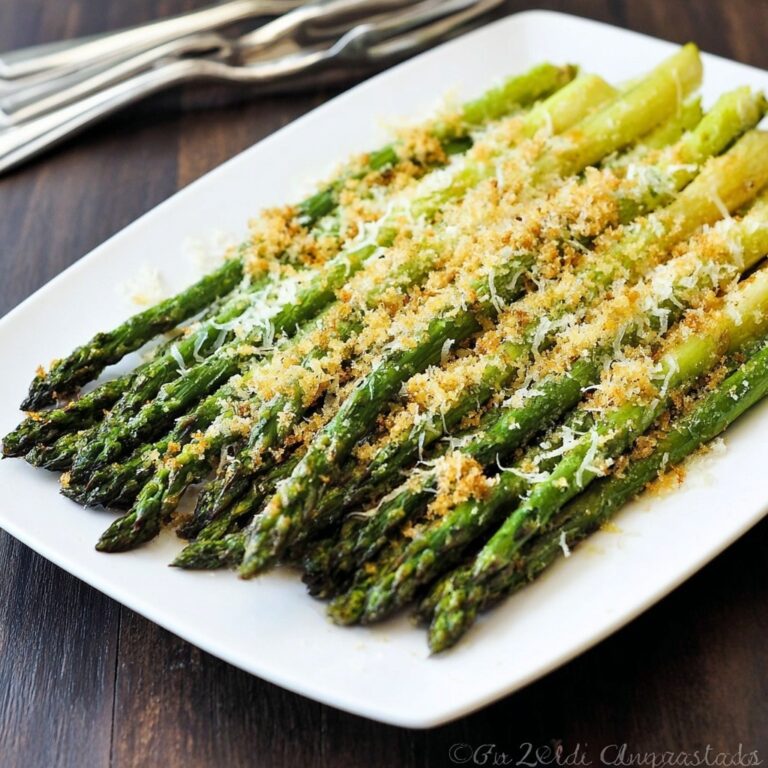
If you want to jazz this dish up for guests, serve your creamy traditional Italian carbonara pasta with pancetta or guanciale recipe in individual shallow bowls, topped with a soft-poached egg for extra indulgence. Another fun idea is tossing in a handful of peas or asparagus tips at the end for a splash of green and textural contrast while keeping the authentic vibe.
Make Ahead and Storage
Storing Leftovers
If you’re lucky enough to have leftovers, store them in an airtight container in the refrigerator for up to 3-4 days. Keep in mind that carbonara’s creamy texture changes upon chilling, but we have some reheating tips below to bring it back to life.
Freezing
Given that the sauce is egg-based, freezing isn’t recommended as it can cause separation and a grainy texture upon thawing. For best results, enjoy this dish fresh or refrigerated within a few days.
Reheating
To reheat, gently warm the pasta in a skillet over low heat with a splash of water or broth to restore creaminess. Stir continuously to prevent the eggs from scrambling. Avoid microwaving if possible, as it can make the sauce tough and uneven.
FAQs
Can I use cream to make carbonara creamier?
Traditional Italian carbonara never uses cream—the creamy texture comes entirely from eggs and cheese emulsified by the pasta water and rendered fat. Adding cream changes the character of the dish significantly and isn’t authentic to the recipe.
What’s the difference between pancetta and guanciale?
Guanciale comes from pork cheek and has a richer, more delicate flavor with a higher fat content, which makes the sauce extra silky. Pancetta is pork belly and is easier to find and still delivers excellent flavor but with a slightly different taste profile.
Can I use different types of pasta for this recipe?
Absolutely! While spaghetti is traditional, fettuccine, rigatoni, or bucatini work wonderfully too. The key is choosing a pasta that can hold onto the sauce well.
How do I prevent the eggs from scrambling when mixing the sauce?
The trick is to remove the pan from direct heat before adding the egg-cheese mixture and to toss rapidly and continuously. The residual heat gently cooks the sauce without scrambling it.
Is garlic necessary in this Creamy Traditional Italian Carbonara Pasta with Pancetta or Guanciale Recipe?
Garlic is optional—some purists skip it, while others like the extra aroma it brings. If you use it, adding it at the end of cooking pancetta prevents it from burning and gives a subtle flavor boost.
Final Thoughts
Making the Creamy Traditional Italian Carbonara Pasta with Pancetta or Guanciale Recipe at home is not only rewarding but also a wonderful way to connect with authentic Italian culinary tradition. With just a few simple ingredients and some easy steps, you can create a restaurant-worthy dish that will wow your family and friends. So grab that pancetta or guanciale and pasta, and dive into this deliciously creamy adventure—you won’t regret it!
Print
Creamy Traditional Italian Carbonara Pasta with Pancetta or Guanciale Recipe
- Prep Time: 10 minutes
- Cook Time: 15 minutes
- Total Time: 25 minutes
- Yield: 4 servings
- Category: Main Course
- Method: Stovetop
- Cuisine: Italian
Description
Classic Italian Carbonara Pasta is a rich and creamy dish made without cream, relying instead on eggs and cheese for its luxurious texture. Traditionally prepared with pancetta or guanciale, this recipe delivers a deliciously savory and satisfying plate of pasta with freshly cracked black pepper and Pecorino Romano cheese, perfect for an authentic Italian dining experience.
Ingredients
Pasta
- 12 oz spaghetti (or fettuccine, rigatoni, or bucatini)
Meat and Oil
- 2 tbsp olive oil (if using pancetta)
- 4 oz pancetta or guanciale, diced
Cheese and Eggs
- 2 large eggs
- 1/2 cup grated Pecorino Romano cheese
- 1/2 cup grated Parmesan cheese
Flavorings
- 2 garlic cloves, minced (optional)
- Salt, to taste
- Freshly cracked black pepper, to taste
- Fresh parsley, chopped (optional, for garnish)
Instructions
- Cook the pasta: Bring a large pot of salted water to a boil. Add the pasta and cook until al dente, usually 1-2 minutes less than package directions. Reserve about 1/2 cup pasta water, then drain and set pasta aside.
- Prepare the pancetta or guanciale: While pasta cooks, heat olive oil in a large skillet over medium heat if using pancetta. Add diced pancetta or guanciale and cook until crispy, about 4-5 minutes. Add minced garlic in the last 30 seconds to lightly toast without burning, if using.
- Make the egg mixture: In a bowl, whisk together eggs, Pecorino Romano, Parmesan cheese, and a generous amount of freshly cracked black pepper until smooth and creamy. Set aside.
- Combine pasta and meat: Add drained pasta directly into the skillet with the pancetta and toss to coat in rendered fat. Remove skillet from heat to prevent scrambling eggs in the next step.
- Add the egg mixture: Quickly pour egg and cheese mixture over pasta while tossing continuously to coat evenly. Use the reserved pasta water, adding a tablespoon at a time, to loosen the sauce to desired creamy consistency.
- Season and serve: Taste and adjust seasoning with salt and pepper. Plate the pasta, sprinkle with extra Pecorino or Parmesan and cracked black pepper, and garnish with parsley if desired.
Notes
- Authentic Carbonara does not use cream; the creamy texture comes from eggs and cheese.
- Reserved pasta water is key to achieving a smooth, velvety sauce.
- Guanciale (pork cheek) is traditional, but pancetta (pork belly) is a great substitute.
- Freshly cracked black pepper is essential for authentic flavor.
- Work quickly when adding egg mixture to avoid scrambling the eggs.