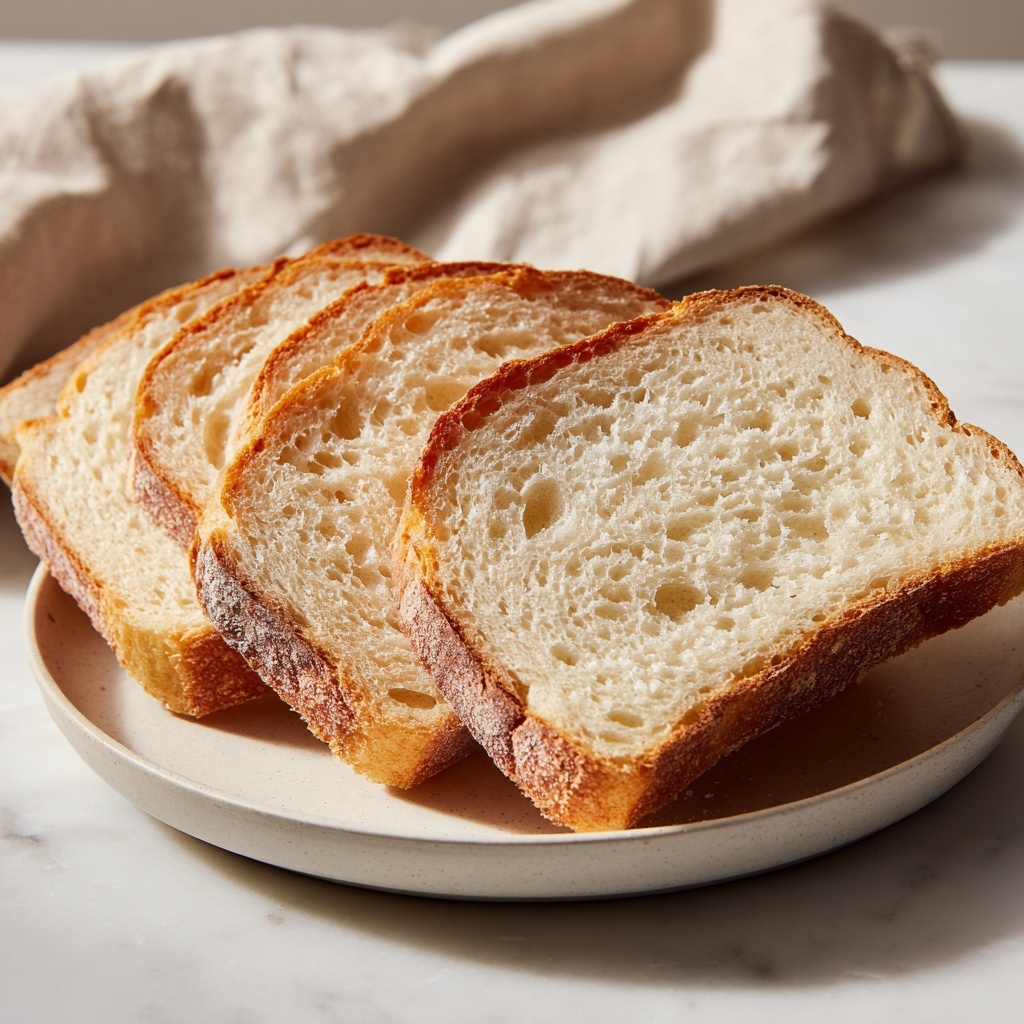
If you’ve ever dreamed of bringing the warm, comforting aroma of fresh bakery bread into your own kitchen, this Artisan Bread Recipe is your golden ticket. It’s a simple yet magical process that transforms just a handful of humble ingredients into a crusty, chewy loaf with a tender crumb that’s perfect for everything from sandwiches to simply dipping in olive oil. What I absolutely love about this Artisan Bread Recipe is how effortlessly it fits into your day—the long resting time does all the heavy lifting, so you get bakery-quality bread with almost no fuss. Let me walk you through every step so you can enjoy that proud moment of slicing into your very own, homemade masterpiece.
Ingredients You’ll Need
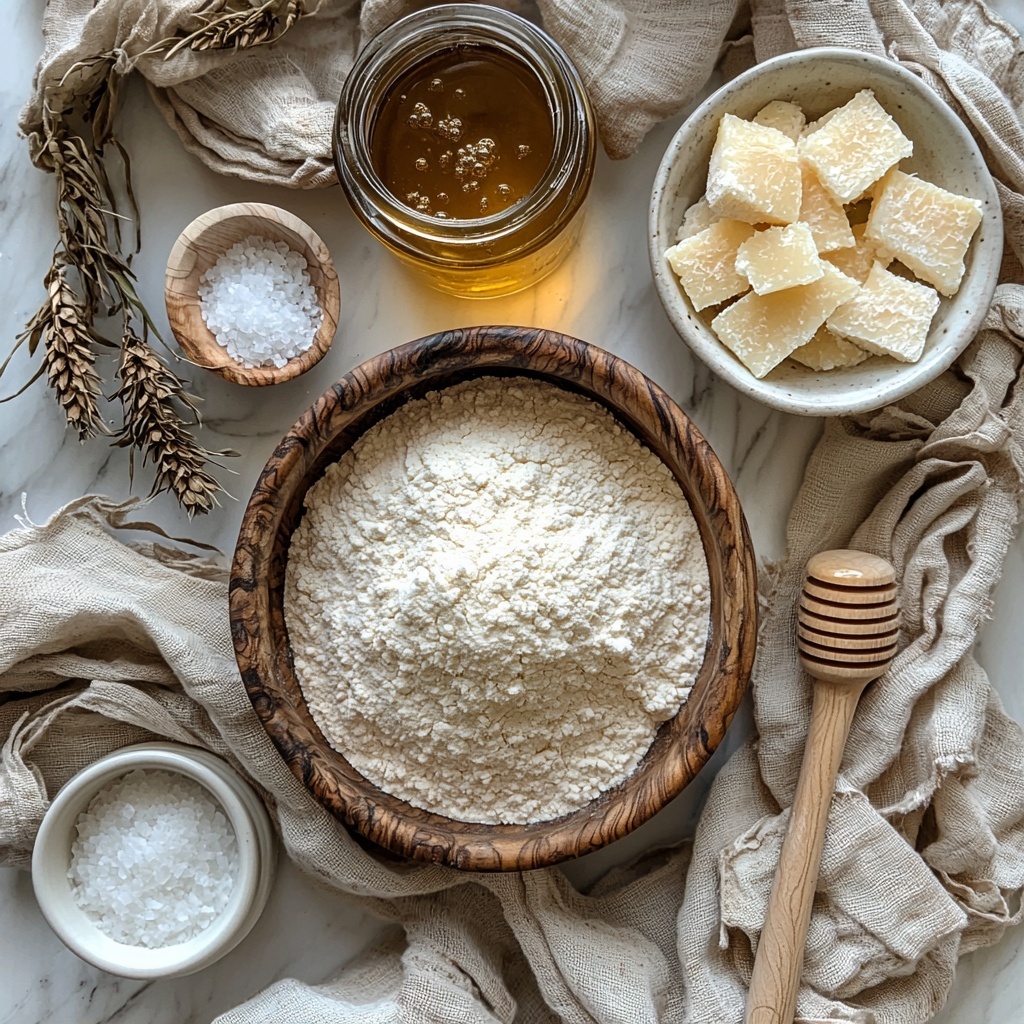
Only a few basic ingredients are needed for this recipe, but each one plays a crucial role in giving your bread that perfect texture and flavor. From the flour that builds the structure to the honey that adds a touch of sweetness, you’ll see how simple pantry staples can come alive in this bread.
- 3 cups all-purpose flour: This is the backbone of your loaf, providing the structure and chew you crave.
- 1 ½ cups warm water (about 110°F): Warm water activates the yeast and helps create the perfect dough consistency.
- 1 teaspoon active dry yeast: The magic ingredient that makes your dough rise and puff up beautifully.
- 1 ½ teaspoons salt: Salt enhances flavor and controls yeast activity for a balanced dough.
- 1 tablespoon honey or sugar: A touch of sweetness to feed the yeast and add subtle flavor complexity.
How to Make Artisan Bread Recipe
Step 1: Activate the Yeast
Start by combining the warm water, honey (or sugar), and active dry yeast in a large bowl. Let this mixture sit for about 5 to 10 minutes until it becomes frothy. This frothiness signals that your yeast is alive and ready to work its leavening magic, setting the foundation for a beautifully risen loaf.
Step 2: Mix in Flour and Salt
Next, add the flour and salt directly into your yeast mixture. Stir everything together until a shaggy dough forms that looks rough and a bit sticky. Don’t worry about perfect blending here—this rustic look is exactly what you want for artisan-style bread, ensuring a lovely texture.
Step 3: Long Rest for Flavor and Texture
Cover the bowl with plastic wrap or a clean towel and leave it to rest at room temperature for 12 to 18 hours. During this leisurely rise, the dough will bubble and double in size, developing rich flavors and that signature airy crumb through slow fermentation.
Step 4: Shape Your Loaf
After the dough has finished its rise, gently flour a clean surface and turn the dough out. Shape it into a round loaf by folding and tucking the edges underneath. Let this shaped dough rest uncovered for 30 minutes; this short proof helps the bread hold its shape when it bakes.
Step 5: Bake to Perfection
Preheat your oven to a scorching 450°F and place a Dutch oven inside to heat up as well. Carefully transfer your dough into the hot Dutch oven, cover with the lid, and bake for 30 minutes to trap steam—this is the secret to a crisp crust. Then remove the lid and bake for another 15 to 20 minutes so the crust develops that gorgeous golden color and crunch.
Step 6: Cool Before Slicing
Once your loaf has baked to perfection, transfer it to a wire rack to cool completely. Resistance is tough here, but cutting too soon can leave your bread gummy inside. Waiting allows the crumb to set perfectly and prevents any doughy disappointments.
How to Serve Artisan Bread Recipe
Garnishes
While this bread shines on its own, consider brushing the crust with a little olive oil or melted butter when it comes out of the oven for an extra touch of shine and flavor. Sprinkling flaky sea salt or fresh herbs like rosemary adds an inviting twist that will wow your guests without overshadowing the bread’s natural goodness.
Side Dishes
This Artisan Bread Recipe pairs beautifully with everything. Think tangy cheeses, rich olive tapenades, or a warm bowl of homemade soup or stew. It’s also absolutely dreamy alongside a fresh salad with zesty vinaigrette, offering the perfect texture contrast and soak-up power.
Creative Ways to Present
For a casual crowd, slice the loaf thick and serve it family-style with a board of dips, spreads, and charcuterie. For a cozy date night, toast slices and top with avocado, poached eggs, or your favorite bruschetta toppings. The versatility of this bread means you can get creative with presentation, turning simple into spectacular.
Make Ahead and Storage
Storing Leftovers
If you have any bread left, wrap it loosely in a clean kitchen towel and keep it in a bread box or at room temperature. This helps maintain its crusty exterior without getting too hard or stale too fast, keeping it perfect for a day or two more.
Freezing
Artisan bread freezes beautifully. Slice the loaf before freezing and place slices in a resealable freezer bag. This way, you can toast individual pieces as needed, preserving freshness and crunch for weeks.
Reheating
To refresh any stored or frozen bread, wrap it in foil and warm it in the oven at 350°F for about 10-15 minutes. This gentle heat brings back the irresistible crust and soft crumb, giving your bread second-day life that tastes fresh out of the oven.
FAQs
Can I use whole wheat flour in this Artisan Bread Recipe?
Absolutely! You can substitute some or all of the all-purpose flour with whole wheat flour for a nuttier flavor and denser texture. Keep in mind, whole wheat flour absorbs more water, so you may need to adjust the water slightly.
Do I have to use a Dutch oven to bake this bread?
While a Dutch oven is ideal for creating the steam needed to develop a crusty exterior, you can bake this bread on a baking stone or a heavy baking sheet. Adding a pan of water in the oven helps simulate steam if you don’t have a Dutch oven.
Why does the dough need to rest for so long?
The long rest allows for slow fermentation, which develops complex flavors and improves the bread’s texture. This no-knead technique lets the natural yeast work at a relaxed pace, resulting in bread that tastes deeply satisfying.
Can I speed up the rising time?
You could try a shorter rise at a warmer temperature, but you might lose some of the depth of flavor and texture that slow fermentation creates. This Artisan Bread Recipe shines with patience!
How should I slice and store leftover bread for best freshness?
Slice your bread as needed instead of all at once. Store it loosely wrapped at room temperature for one to two days, or freeze slices in an airtight bag to keep it fresh longer. Toasting frozen slices brings back that fresh-baked quality beautifully.
Final Thoughts
This Artisan Bread Recipe truly feels like a gift you give yourself—a humble set of ingredients transformed into something extraordinary with just a little time and care. Whether you’re a seasoned baker or trying your hand at homemade bread for the first time, this recipe promises delicious results and joyful baking moments. So go ahead, dive in, and treat yourself to the comfort of freshly baked artisan bread right from your own kitchen!
Print
Artisan Bread Recipe
- Prep Time: 15 minutes
- Cook Time: 45 minutes
- Total Time: 18 hours 15 minutes
- Yield: 12 servings (one medium-sized loaf)
- Category: Bread
- Method: Baking
- Cuisine: American
Description
This Artisan Bread Recipe produces a rustic, crusty loaf with a tender, airy crumb using a simple mixture of flour, water, yeast, salt, and a touch of honey or sugar. The long fermentation time develops rich flavor and perfect texture, and baking in a Dutch oven yields a beautifully crisp crust. Ideal for baking enthusiasts looking for a straightforward, no-knead bread recipe.
Ingredients
Dry Ingredients
- 3 cups all-purpose flour
- 1 teaspoon active dry yeast
- 1 ½ teaspoons salt
Wet Ingredients
- 1 ½ cups warm water (about 110°F)
- 1 tablespoon honey or sugar
Instructions
- Activate Yeast: In a large bowl, combine the warm water, honey or sugar, and active dry yeast. Let this mixture sit for 5-10 minutes until it becomes frothy, indicating the yeast is active and ready.
- Mix Dough: Add the flour and salt to the yeast mixture. Stir until a shaggy dough forms; it will be sticky and rough at this stage.
- First Rise: Cover the bowl with plastic wrap or a towel and let the dough rest at room temperature for 12-18 hours. During this time, the dough will double in size and develop bubbles, signaling fermentation and flavor development.
- Shape Dough: Lightly flour a work surface and gently turn the dough out. Shape it into a round loaf by folding the edges toward the center, then let it rest uncovered for 30 minutes to relax and slightly rise again.
- Preheat and Bake: Preheat your oven to 450°F (230°C). Place a Dutch oven with its lid inside the oven while it heats. Carefully transfer the dough to the preheated Dutch oven, cover with the lid, and bake for 30 minutes. Then, remove the lid and bake for an additional 15-20 minutes until the bread is deeply golden and crusty.
- Cool: Remove the bread from the Dutch oven and place it on a wire rack to cool completely before slicing to maintain the texture and prevent gumminess.
Notes
- Using a Dutch oven traps steam, which helps develop the bread’s crust.
- Allowing the dough to ferment overnight enhances flavor and texture.
- Ensure water is warm but not hot to avoid killing the yeast.
- Cooling the bread fully before slicing prevents it from becoming gummy inside.
- You can substitute honey with sugar or another sweetener.