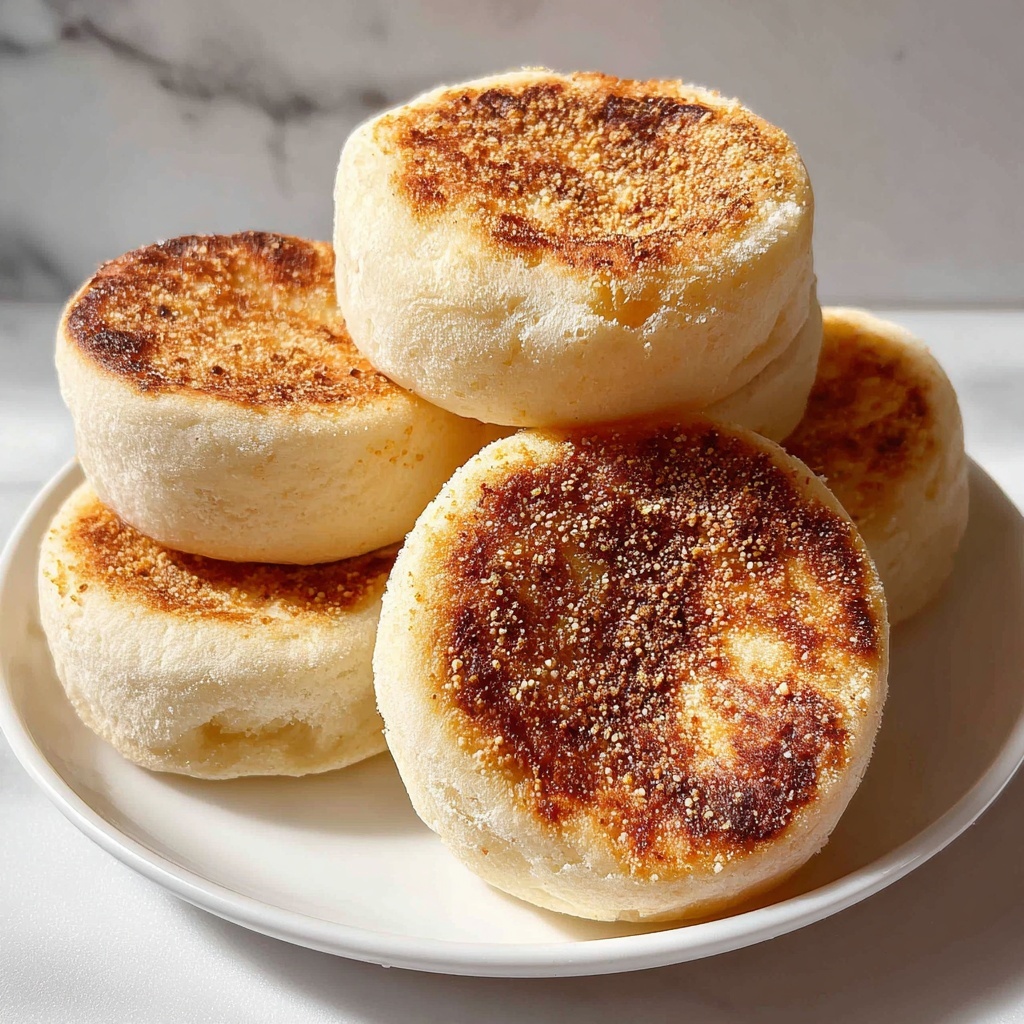
There is something truly magical about starting your morning with warm, fluffy, and perfectly textured English muffins, and that’s why I am absolutely thrilled to share this Homemade English Muffins Recipe with you. These muffins are delightfully crisp on the outside, tender and airy on the inside, and have those signature nooks and crannies that hold melted butter and jam like little pockets of happiness. Making them from scratch might sound a bit ambitious, but trust me, this recipe is straightforward, rewarding, and turns breakfast into a special occasion any day of the week.
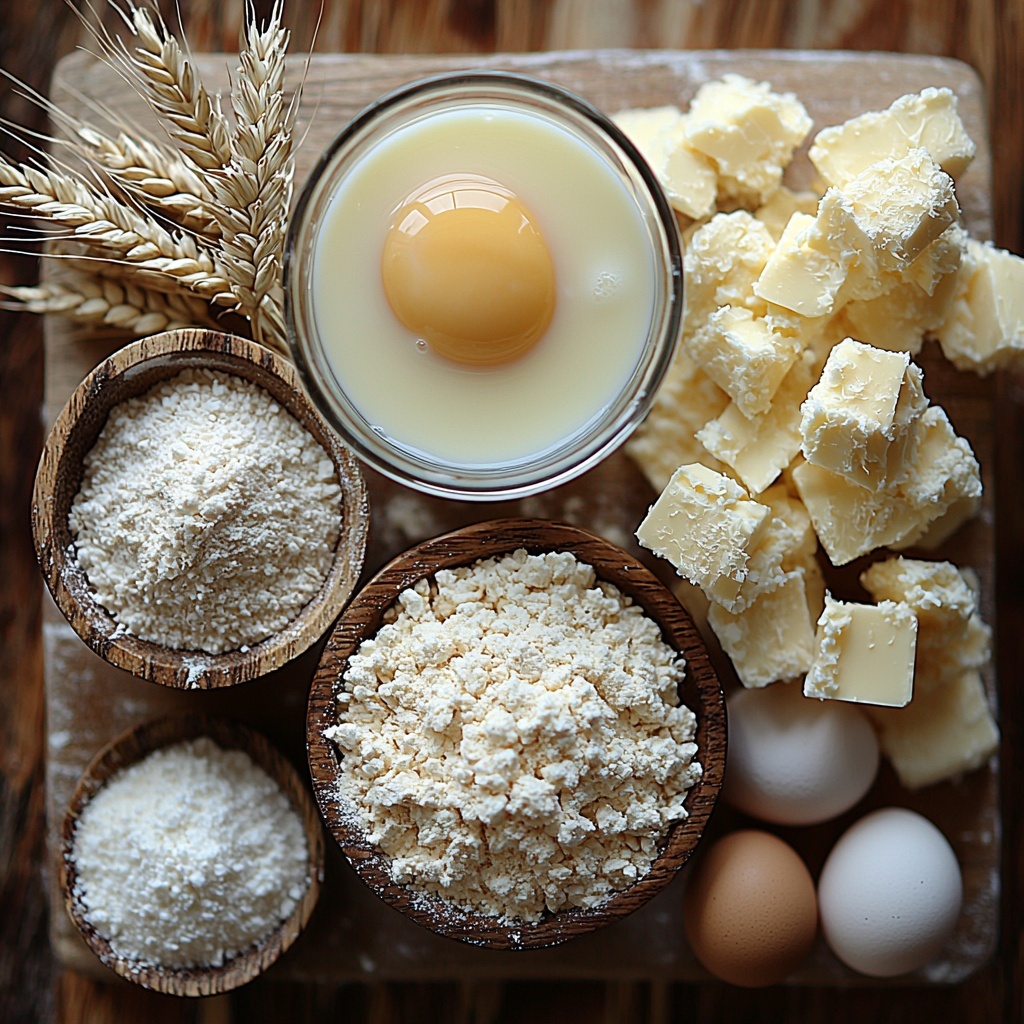
Ingredients You’ll Need
Keep it simple with these pantry staples that come together to create the perfect balance of softness, flavor, and that beloved English muffin crumb structure. Each ingredient plays its part, whether it’s the warm milk nurturing the yeast to life or the cornmeal adding that irresistible texture at the finish.
- Warm milk (1 ¼ cups): Needs to be warm, not hot, to activate the yeast without killing it, ensuring a good rise.
- Melted butter (3 tablespoons): Adds richness and tenderness for a soft crumb.
- Large egg (1): Gives structure and helps with browning for a beautiful muffin color.
- Sugar (2 tablespoons): Just enough to feed the yeast and add a gentle sweetness.
- Instant yeast (2 1/4 teaspoons): The powerhouse of the recipe, making the dough rise beautifully.
- Salt (1 teaspoon): Balances flavors and enhances the overall taste.
- All-purpose flour (3 cups): The base of the dough, providing necessary gluten for chewiness.
- Cornmeal (1/4 cup): For sprinkling, it creates that iconic crispy bottom and prevents sticking.
How to Make Homemade English Muffins Recipe
Step 1: Prepare the Dough Base
Begin by combining the warm milk, melted butter, egg, sugar, instant yeast, and salt in the bowl of a stand mixer. This mixture is essentially the wake-up call for your yeast, inviting it to activate and start the magic of rising.
Step 2: Mix in the Flour
Attach your dough hook, and gradually add the all-purpose flour. Mixing on medium speed for 7 to 8 minutes brings the dough together until it’s smooth and elastic. The dough should feel slightly tacky—like a soft hand-holding glove—but if it’s too sticky, add up to one tablespoon of flour. This ensures your muffins develop that perfect chewy texture.
Step 3: First Rise
Cover the bowl tightly and place it somewhere warm to let the dough rise for about 60 to 90 minutes. You’ll know it’s ready when it has doubled in size, fluffy with lots of air bubbles, which is vital for the wonderful nooks and crannies later.
Step 4: Prepare the Baking Sheet
While the dough is rising, line a large baking sheet with parchment paper and generously sprinkle it with cornmeal. This simple addition is the secret to that slightly crunchy, nutty-textured bottom that makes each bite memorable.
Step 5: Shape the Muffins
Once risen, punch down the dough to release air bubbles, then transfer it to a generously floured surface. Roll it out to about three-quarters of an inch thick, then use a 2 ½-inch cutter to stamp out circles. Place these rounds carefully on the cornmeal-dusted sheet, giving them space to expand.
Step 6: Second Rise
Sprinkle the tops of the muffins with more cornmeal, cover them again, and let rise for another 30 minutes until noticeably puffy. This rise is what ensures they bake up light and airy.
Step 7: Cook to Perfection
Heat a large skillet over medium-low and lightly grease it with butter. Place 3 to 4 muffins at a time into the pan with enough space around each. Cover the skillet and cook for 7 to 8 minutes per side until golden brown. Adjust your heat to low if they start browning too quickly. Cooking low and slow is key to those perfect crusts and soft interiors.
How to Serve Homemade English Muffins Recipe
Garnishes
Homemade English muffins are a blank canvas for delicious toppings. Try smearing them with creamy butter that melts into each nook, layer on some honey or your favorite jam for sweetness, or spread rich cream cheese for a tangy twist. Fresh fruit slices or a sprinkle of cinnamon sugar can make your breakfast absolutely delightful.
Side Dishes
Pair these muffins with some classic breakfast companions for a complete meal. Think crispy bacon, juicy sausages, or a flavorful scrambled egg. They’re also perfect alongside a bowl of fresh fruit or a light green salad if you’re serving them beyond breakfast time.
Creative Ways to Present
Get playful with your Homemade English Muffins Recipe by turning them into mini sandwiches with ham, cheese, and avocado, or use them as the base for eggs Benedict. Toast them and top with smashed avocado and chili flakes for a trendy brunch option. The possibilities are endless and always delicious.
Make Ahead and Storage
Storing Leftovers
If you have leftovers, simply place cooled muffins in an airtight container or resealable bag. They will keep well at room temperature for up to two days, making them great for quick breakfasts or snacks.
Freezing
For longer storage, wrap each muffin individually in plastic wrap and place them in a freezer-safe bag. Frozen homemade English muffins maintain their quality for up to three months and allow you to enjoy fresh muffins whenever the craving hits.
Reheating
To bring frozen or leftover muffins back to life, toast them lightly in a toaster or warm them in a skillet over low heat. This method revives the crisp exterior and soft interior beautifully, as if just freshly made.
FAQs
Can I use active dry yeast instead of instant yeast?
Yes, you can substitute active dry yeast, but you will need to proof it first by dissolving it in warm milk with a pinch of sugar for about 5-10 minutes until foamy before adding it to the other ingredients.
Why do English muffins have nooks and crannies?
The unique texture of English muffins comes from the yeast fermentation and the cooking technique, especially the gentle, covered skillet cooking that creates steam and those signature pockets perfect for holding butter.
Can I make these muffins gluten-free?
Gluten is essential for the chewy texture characteristic of English muffins, so gluten-free versions require special flour blends and binders. This Homemade English Muffins Recipe relies on all-purpose flour for the best results.
How important is the cornmeal in the recipe?
Cornmeal adds a delightful crunch and prevents sticking while cooking, plus it creates the classic textured bottom. Don’t skip it; it’s a defining element of authentic English muffins.
Can I use a hand mixer instead of a stand mixer?
A stand mixer with a dough hook makes mixing easier, but you can use a hand mixer with dough hooks or even mix by hand. Just be prepared for a bit more elbow grease and kneading time.
Final Thoughts
Making this Homemade English Muffins Recipe is more than just preparing breakfast—it’s about savoring the satisfaction of creating something delicious from scratch. Once you taste these golden, buttery, soft muffins with their perfect crumb, you’ll wonder why you ever bought store-bought ones. So, give this recipe a go, enjoy the process, and treat yourself and your loved ones to warm homemade goodness that’s worth every minute.
Print
Homemade English Muffins Recipe
- Prep Time: 10 minutes
- Cook Time: 15 minutes
- Total Time: 1 hour 55 minutes
- Yield: 10 English muffins
- Category: Breakfast
- Method: Stovetop
- Cuisine: American
Description
This recipe for Homemade English Muffins offers a soft, lightly chewy texture with a golden crust, perfect for warm breakfasts or sandwiches. Made with simple ingredients and cooked on a skillet, these muffins feature the characteristic nooks and crannies ideal for holding butter and jam.
Ingredients
Wet Ingredients
- 1 ¼ cups warm milk (not hot)
- 3 tablespoons melted butter
- 1 large egg
Dry Ingredients
- 2 tablespoons sugar
- 2 ¼ teaspoons instant yeast
- 1 teaspoon salt
- 3 cups all-purpose flour (spooned and levelled)
For Cooking
- ¼ cup cornmeal (for sprinkling)
- Butter (for greasing the skillet)
Instructions
- Combine Ingredients: In a stand mixer bowl, mix together the warm milk, melted butter, egg, sugar, instant yeast, and salt until well combined.
- Knead Dough: Using the dough hook attachment on medium speed, gradually add the flour and knead the dough for 7-8 minutes until it becomes smooth, elastic, and slightly tacky but not overly sticky. If too sticky, add up to 1 tablespoon more flour.
- First Rise: Cover the mixing bowl and let the dough rise in a warm place for 60-90 minutes, or until it has doubled in size.
- Prepare Baking Surface: Sprinkle cornmeal evenly over a large parchment-lined baking sheet to prevent sticking and add texture.
- Shape Muffins: Punch down the risen dough and transfer it to a generously floured surface. Roll the dough into a ¾-inch thick rectangle. Cut into 2 ½-inch circles using a cutter or glass and place them on the prepared baking sheet.
- Second Rise: Sprinkle the tops of the dough circles with cornmeal, cover them, and allow to rise again for 30 minutes or until noticeably puffed.
- Cook Muffins: Heat a large skillet over medium-low heat and lightly grease it with butter. Place 3-4 dough rounds into the skillet with space in between. Cover and cook for 7-8 minutes on each side until golden brown. Adjust heat to low if the bottoms brown too quickly.
Notes
- Use warm milk, not hot, to activate the yeast without killing it.
- If the dough is too sticky after kneading, add flour gradually, but avoid over-flouring to keep muffins tender.
- Cooking on medium-low heat ensures muffins cook through without burning the exterior.
- Letting the dough rise twice is key to achieving a light texture and the characteristic nooks and crannies.
- Use a well-seasoned or non-stick skillet for even cooking and easier flipping.
- The cornmeal on the baking sheet and muffin tops adds texture and prevents sticking.