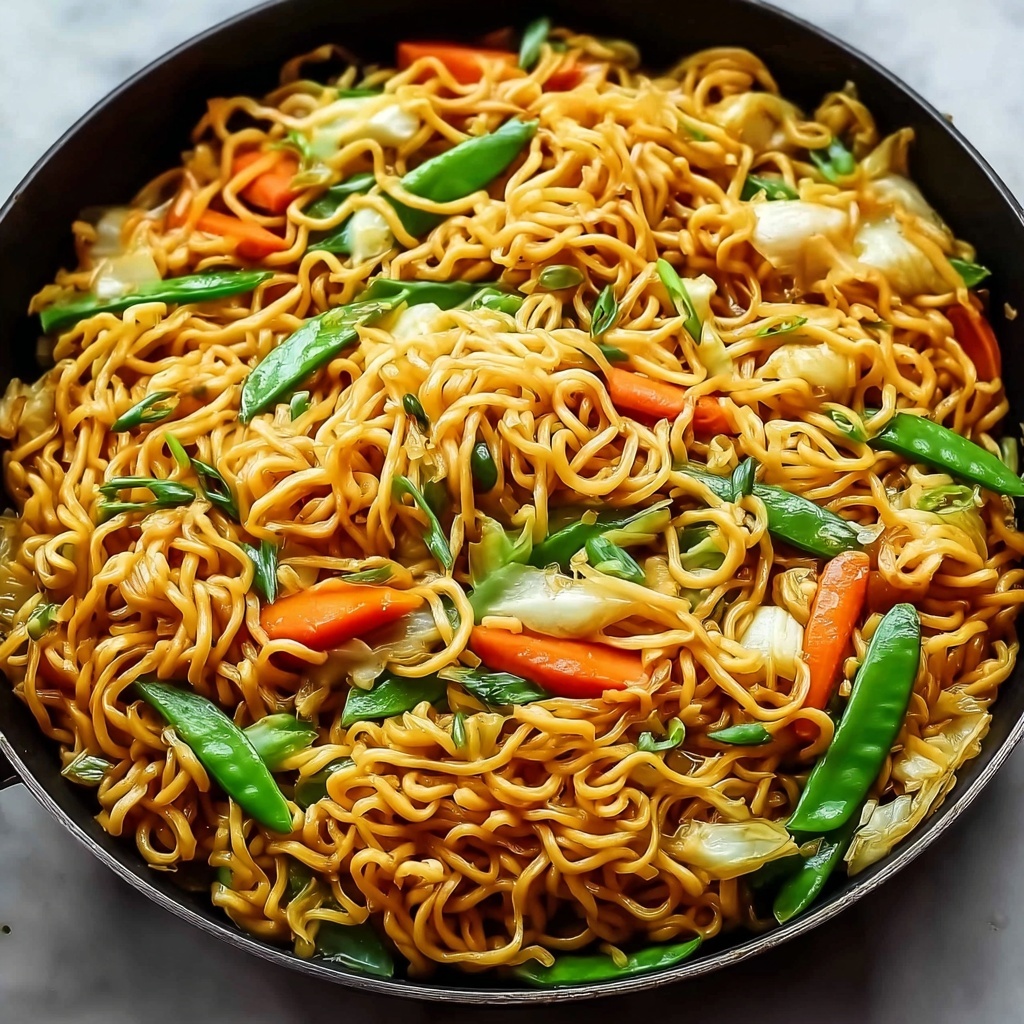
If you’ve ever craved a restaurant-quality noodle dish that’s bursting with flavor and just the right amount of crunch, then you absolutely must dive into this Chow Mein with the Best Chow Mein Sauce Recipe. This vibrant, satisfying meal brings together perfectly cooked chow mein noodles with fresh veggies and a sauce that’s savory, slightly sweet, and utterly addictive. Whether you’re cooking for family, friends, or just treating yourself, every bite feels like a comforting hug wrapped in bold Asian-inspired flavors.
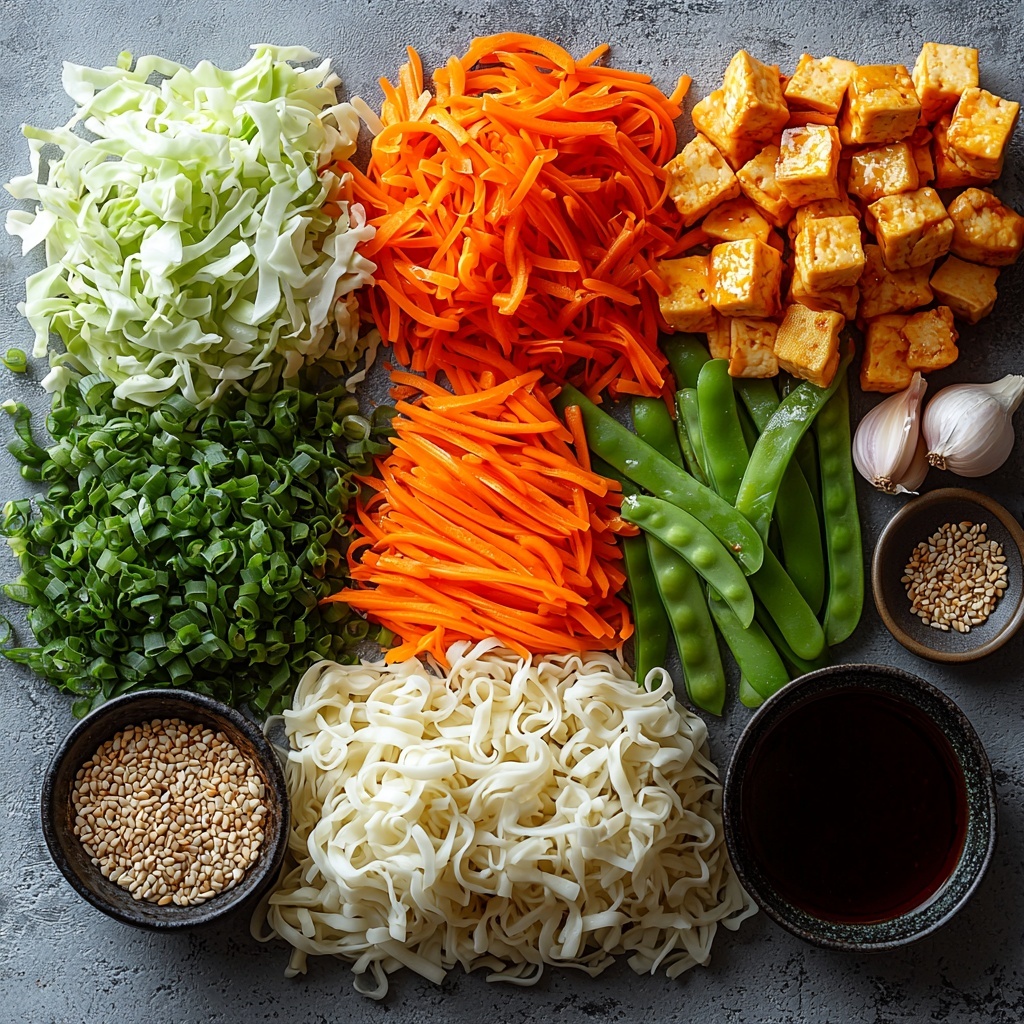
Ingredients You’ll Need
These ingredients are wonderfully simple yet vital to creating that classic chow mein balance of taste, texture, and color. Each element has its role: crispy veggies, tender protein, and that magical sauce that ties everything together.
- 8 oz chow mein noodles: The soft yet slightly chewy foundation, perfect for soaking up that incredible sauce.
- 1 cup shredded cabbage: Adds crunch and sweetness with every bite.
- 1 cup julienned carrots: Brightens the dish with vibrant color and natural sweetness.
- 1 cup snow peas: Their crisp texture and fresh taste bring balance to the stir-fry.
- 4 green onions, chopped: A fresh, mild onion kick that tops the dish beautifully.
- 2 cloves garlic, minced: Essential for that aromatic depth and slight pungency.
- 3 tablespoons soy sauce: Provides the savory, umami backbone of the sauce.
- 2 tablespoons oyster sauce: Adds richness and a subtle sweetness.
- 1 tablespoon sesame oil: Toasty, nutty flavor that’s simply irresistible.
- 1 teaspoon sugar: Balances the savory elements with a touch of sweetness.
- 1 cup cooked chicken or tofu (optional): For protein-packed variation—choose whichever suits your mood!
- 2 tablespoons vegetable oil: Perfect for high-heat stir-frying without overpowering flavors.
How to Make Chow Mein with the Best Chow Mein Sauce Recipe
Step 1: Prep Everything Ahead
Start by slicing all your vegetables and setting aside any protein you want to include, like cooked chicken or tofu. Having everything ready before the heat hits the pan makes a huge difference when stir-frying, which moves fast!
Step 2: Cook and Prep Your Noodles
Cook the chow mein noodles according to the package instructions. Once done, drain them thoroughly and rinse with cold water to stop the cooking process and prevent clumping. Toss the noodles with a little oil—this keeps them silky and separated during the stir-fry.
Step 3: Whisk Together the Magical Sauce
In a small bowl, blend the soy sauce, oyster sauce, sesame oil, and sugar until they form a harmonious, glossy sauce. This combo is the heart and soul that elevates simple noodles into a mouthwatering chow mein experience.
Step 4: Sear Your Protein
Heat a tablespoon of vegetable oil in a skillet or wok over medium-high heat. Cook your chicken or tofu until it’s golden and cooked through, then remove it from the pan to keep the proteins juicy and ready to mix back in at the end.
Step 5: Sauté Your Veggies
Add more oil to the pan if needed, then sauté minced garlic just for 30 seconds to bloom its flavor. Toss in the carrots, snow peas, and cabbage, stir-frying energetically for 2 to 3 minutes. This keeps the vegetables tender but still crisp—exactly how chow mein should be.
Step 6: Combine Noodles, Protein, and Sauce
Return the noodles and protein to the hot pan with your veggies. Pour the sauce over everything and stir-fry vigorously for another 2 minutes, ensuring each strand of noodle and every vegetable is gloriously coated and heated through.
Step 7: Finish with Fresh Green Onions
Scatter the chopped green onions on top, give it a final toss to mix, then serve immediately while it’s piping hot and fragrant. This finishing touch adds just the right pop of fresh flavor and color.
How to Serve Chow Mein with the Best Chow Mein Sauce Recipe
Garnishes
While the dish is amazing as is, feel free to add a sprinkle of toasted sesame seeds or a few red chili flakes if you love a bit of heat. Fresh cilantro can add a bright contrast as well. Each garnish brings its own flair, making the presentation even more inviting.
Side Dishes
Pair this chow mein with light and complementary sides like steamed dumplings, crispy spring rolls, or even a simple cucumber salad dressed in rice vinegar to cleanse the palate. These options keep the meal well-rounded and exciting without overwhelming the star dish.
Creative Ways to Present
Want to impress your guests? Serve your chow mein in individual bowls garnished with some extra green onions and a wedge of lime for squeezing. Or get playful by wrapping spoonfuls in lettuce leaves for a handheld delight that’s both fun and fresh.
Make Ahead and Storage
Storing Leftovers
Keep any leftover chow mein in an airtight container and refrigerate for up to 3 days. The noodles will soak up the sauce over time, intensifying the flavor, so give it a gentle toss before reheating.
Freezing
You can freeze chow mein, but because of the noodles and veggies, the texture might change slightly upon thawing. If you plan to freeze, store in a freezer-safe container for up to 1 month and thaw overnight in the fridge before reheating.
Reheating
Reheat chow mein in a skillet on medium heat, adding a splash of water or broth to loosen the sauce and prevent sticking. Stir frequently until warmed through. Microwaving works too, but it’s less effective at maintaining the original texture.
FAQs
Can I use other noodles instead of chow mein noodles?
Absolutely! Egg noodles, lo mein noodles, or even thin spaghetti can be great alternatives. Just keep an eye on cooking times since different noodles require different handling.
Is oyster sauce necessary in this recipe?
Oyster sauce adds a unique umami depth and slight sweetness, which really boost the chow mein sauce. If you prefer a vegetarian version, mushroom-based oyster sauce or extra soy sauce can be used as substitutes.
How can I make this dish vegan?
Simply skip the chicken and use tofu or another plant-based protein. Be sure to choose vegan oyster sauce or replace it with hoisin sauce for a similar flavor.
Can I prepare this dish in advance?
You can prep your veggies and sauce ahead of time, but stir-frying right before serving yields the best texture and flavor, ensuring everything stays crisp and fresh.
What’s the best oil to use for stir-frying?
Vegetable oil or peanut oil are excellent for stir-frying due to their high smoke points and neutral flavors, allowing the chow mein sauce to shine without competing with the oil.
Final Thoughts
This Chow Mein with the Best Chow Mein Sauce Recipe is a delightful, easy-to-make meal that quickly becomes a weeknight favorite. Its harmony of flavors and textures makes it irresistible, whether you’re a chow mein newbie or a longtime fan. So go ahead, gather your ingredients, and whip up this comforting bowl of goodness—you’ll wonder why you didn’t make it sooner!
Print
Chow Mein with the Best Chow Mein Sauce Recipe
- Prep Time: 15 minutes
- Cook Time: 10 minutes
- Total Time: 25 minutes
- Yield: 4 servings
- Category: Main Dish
- Method: Stovetop
- Cuisine: Chinese
Description
A quick and delicious Chow Mein recipe featuring stir-fried chow mein noodles with fresh vegetables and an easy, flavorful sauce. Perfect for a weeknight dinner, this dish can be customized with chicken or tofu for added protein.
Ingredients
Noodles and Vegetables
- 8 oz chow mein noodles
- 1 cup shredded cabbage
- 1 cup julienned carrots
- 1 cup snow peas
- 4 green onions, chopped
- 2 cloves garlic, minced
Sauce
- 3 tablespoons soy sauce
- 2 tablespoons oyster sauce
- 1 tablespoon sesame oil
- 1 teaspoon sugar
Protein (Optional)
- 1 cup cooked chicken or tofu
Cooking Oil
- 2 tablespoons vegetable oil
Instructions
- Prepare Ingredients: Slice all vegetables and optional protein (chicken or tofu) into appropriate sizes. Set aside for easy cooking.
- Cook Noodles: Boil chow mein noodles according to package directions. Drain and rinse under cold water to stop cooking. Toss noodles with a little oil to prevent sticking.
- Make Sauce: In a small bowl, whisk together soy sauce, oyster sauce, sesame oil, and sugar until well combined. This will be your signature chow mein sauce.
- Cook Protein: Heat vegetable oil in a skillet or wok over medium-high heat. Add chicken or tofu and cook until browned and cooked through. Remove from pan and set aside.
- Sauté Vegetables: If needed, add more oil to the pan. Sauté minced garlic for about 30 seconds until fragrant. Add carrots, snow peas, and shredded cabbage and stir-fry for 2 to 3 minutes until vegetables are crisp-tender.
- Combine All and Stir-Fry: Return cooked noodles and protein to the pan. Pour the prepared sauce over the mixture and stir-fry for another 2 minutes, ensuring everything is evenly coated and heated through.
- Finish and Serve: Sprinkle chopped green onions over the chow mein, toss once more, and serve hot immediately for best flavor and texture.
Notes
- For a vegetarian or vegan version, omit chicken and use tofu or additional vegetables.
- You can substitute chow mein noodles with lo mein or spaghetti noodles if unavailable.
- Adjust the soy sauce and oyster sauce quantities to suit your taste and dietary needs.
- Adding a splash of sesame oil at the end enhances the aroma.
- If you prefer spicier, add red chili flakes or fresh chili during sautéing garlic.
- Make sure not to overcook vegetables to maintain their crunchiness.