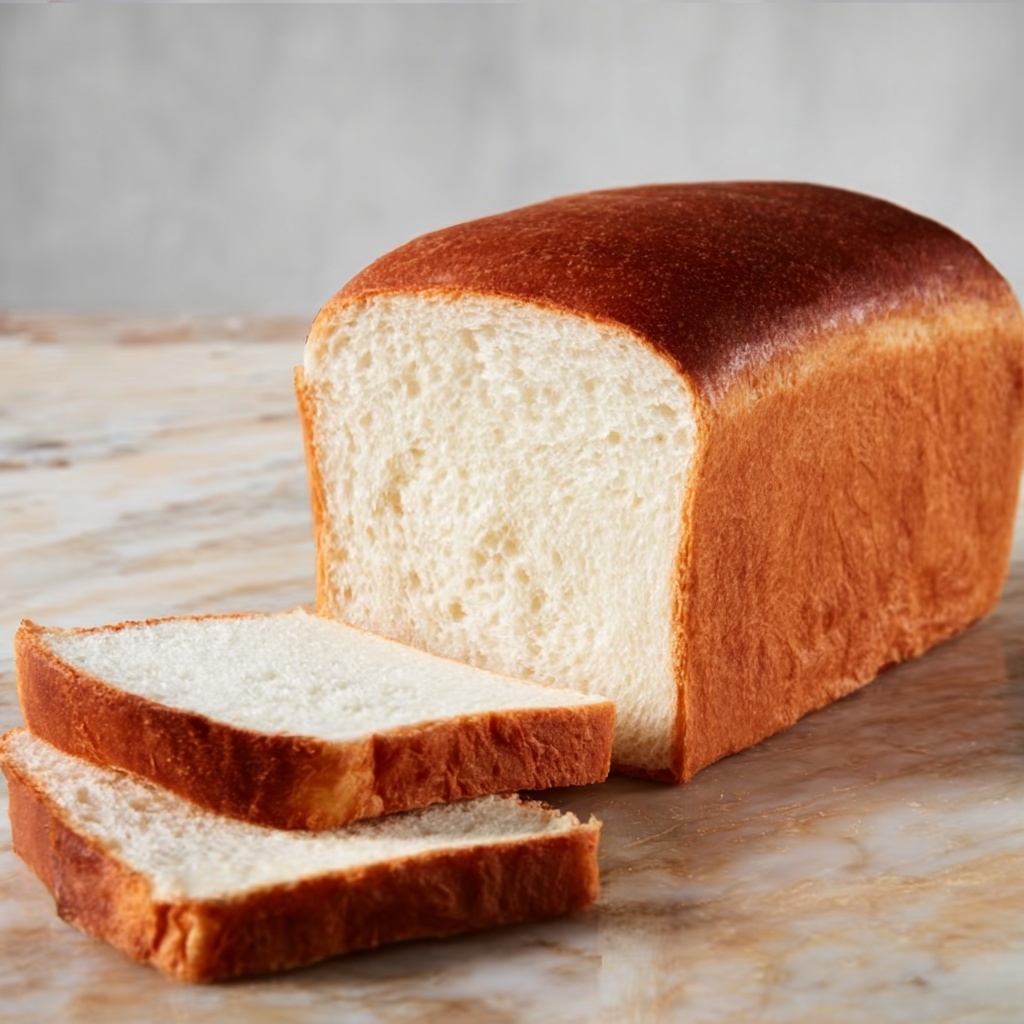
If you have ever dreamed of biting into a slice of cloud-soft, pillowy bread, then this Shokupan (Japanese White Bread) Recipe is going to steal your heart. This beautifully fluffy loaf, known for its tender crumb and subtly sweet flavor, has become a beloved staple in many kitchens. Whether you’re making sandwiches, toast, or just enjoying a simple slice with butter, Shokupan’s irresistible texture and delicate taste are sure to become a favorite in your bread repertoire.
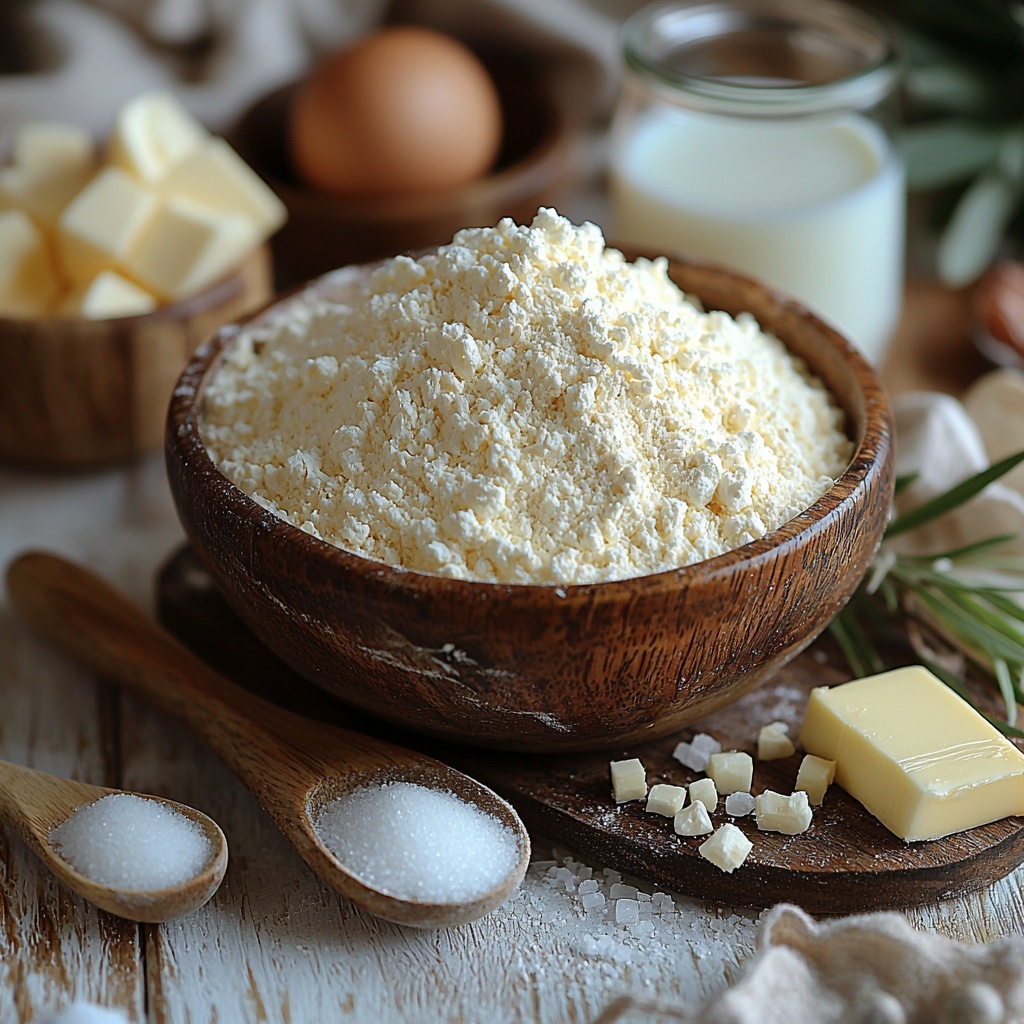
Ingredients You’ll Need
The magic of this Shokupan (Japanese White Bread) Recipe lies in its simplicity. Each ingredient plays a key role—from the bread flour’s strength to the richness of milk and cream, together creating that signature softness and slight sweetness you crave.
- Bread flour: Provides the essential gluten structure for that perfect chewy yet tender crumb.
- Granulated sugar: Adds just the right touch of sweetness to balance the bread’s flavor.
- Salt: Enhances the taste without overpowering the natural sweetness.
- Dry milk powder (optional): Deepens flavor and contributes to the bread’s tender texture.
- Instant yeast: Works quickly to give the bread its wonderful rise and fluffiness.
- Warm milk: Activates the yeast and enriches the dough for softness.
- Heavy cream: Adds richness and helps create that melt-in-your-mouth texture.
- Large egg: Gives structure and a slight golden hue to the crust.
- Unsalted butter: Adds flavor and tenderness; softened for easy incorporation.
How to Make Shokupan (Japanese White Bread) Recipe
Step 1: Combine the Dry Ingredients
Start by mixing your bread flour, granulated sugar, salt, dry milk powder if you’re using it, and instant yeast in a large bowl. This dry mixture forms the foundation of your Shokupan, ensuring your loaf will rise beautifully and taste balanced and sweet without being overpowering.
Step 2: Whisk the Wet Ingredients
In a separate bowl, whisk together the warm milk, heavy cream, and egg until smooth. The warmth of the milk wakes up the yeast, while cream and egg bring the softness and richness that set Shokupan apart from everyday bread.
Step 3: Mix Wet into Dry
Pour the wet mixture into the dry ingredients and stir until a rough dough forms. It will still be a little shaggy at this point, but that’s exactly what you want before you introduce the butter and start kneading.
Step 4: Knead in the Butter
Add the softened butter and knead by hand or with a stand mixer fitted with a dough hook. This is where patience really pays off: knead for 10 to 15 minutes until the dough is smooth, elastic, and slightly tacky. This stage develops gluten and fully incorporates the butter for that signature Shokupan softness.
Step 5: First Rise
Place your dough in a lightly greased bowl, cover it with a damp cloth or plastic wrap, and set it somewhere warm to rise. After about 1 to 1.5 hours, it should double in size. This rising time is crucial for that airy structure inside your Shokupan.
Step 6: Shape the Loaf
Once risen, punch down the dough gently and divide it into two equal parts. Roll each piece into a rectangle, then tightly shape each into a log. Nestle both logs side by side in a greased 9×5-inch loaf pan. This technique creates those gorgeous, soft folds that give Shokupan its iconic look.
Step 7: Second Rise
Cover the loaf pan loosely and let the dough rise again for 45 to 60 minutes, until it just peeks above the rim of the pan. This second proof gives you that impressive, tall loaf perfect for slicing thick or thin.
Step 8: Bake to Golden Perfection
Preheat your oven to 350°F (175°C) and bake the bread for 30 to 35 minutes. Keep an eye on the crust—if it bronzes too quickly, tent it with foil for the final 10 minutes. The loaf is done when it’s golden and sounds hollow when tapped, delivering a crust that’s delicate yet resilient.
Step 9: Cool Before Slicing
Allow the bread to sit in the pan for 10 minutes after baking, then transfer it to a wire rack to cool completely. This cooling step is essential—slicing too early might squash that tender crumb you worked so hard to develop!
How to Serve Shokupan (Japanese White Bread) Recipe
Garnishes
Although this Shokupan is delicious on its own, brushing the top of the freshly baked loaf with melted butter adds a beautiful shine and a subtle richness that makes every bite even more delightful.
Side Dishes
Shokupan pairs wonderfully with classic breakfast spreads like jam or honey, creamy avocado, or even a rich French toast batter. It also complements soups and stews perfectly, soaking up flavors without falling apart.
Creative Ways to Present
Use your Shokupan to make sandwiches with fresh veggies, smoked ham, or sweet fillings like anko (red bean paste) for a traditional Japanese twist. Toasted thick slices with butter and a sprinkle of cinnamon sugar also make an easy yet special treat.
Make Ahead and Storage
Storing Leftovers
Keep your Shokupan in an airtight container or bread box at room temperature for up to 3 days. This prevents it from drying out while maintaining that famous softness you love in Japanese white bread.
Freezing
If you want to enjoy Shokupan longer, slice it and wrap it tightly in plastic wrap and aluminum foil before freezing. This way, you can pull out individual slices whenever you want without losing texture or flavor.
Reheating
To bring your bread back to life, pop slices in a toaster or warm them gently in the oven. The gentle heat restores the softness and enhances the aromatic flavors, making every bite taste freshly baked.
FAQs
What makes Shokupan different from regular white bread?
Shokupan is uniquely soft and fluffy due to ingredients like milk, heavy cream, and egg, plus a specific kneading and rising method that creates a tender, slightly sweet loaf unlike most Western white breads.
Can I use all-purpose flour instead of bread flour?
While bread flour is preferred for its higher protein content, all-purpose flour will still work in a pinch, though the texture might be a bit less chewy and soft.
Why do I need to knead the dough for so long?
Extended kneading develops gluten and thoroughly incorporates the butter, which is key for the smooth, elastic dough that bakes into the soft crumb Shokupan is known for.
Is dry milk powder necessary in this Shokupan recipe?
Dry milk powder is optional but recommended as it enriches the dough’s flavor and softness. If you don’t have it, your bread will still turn out delicious.
How do I know when the bread is fully baked?
The loaf should be a beautiful golden brown and sound hollow when tapped gently on top. This indicates the interior is cooked through and perfect for slicing.
Final Thoughts
There’s something truly comforting about making your own bread, and this Shokupan (Japanese White Bread) Recipe is a wonderful gateway into the joy of Japanese baking. The tender, fluffy texture combined with gentle sweetness makes every slice feel like a warm hug. Give this recipe a try and watch it become your go-to bread for so many occasions. Once you’ve had a taste, I promise, you’ll be hooked!
Print
Shokupan (Japanese White Bread) Recipe
- Prep Time: 25 minutes
- Cook Time: 35 minutes
- Total Time: 2 hours 30 minutes
- Yield: 1 loaf (12 slices)
- Category: Bread
- Method: Baking
- Cuisine: Japanese
- Diet: Vegetarian
Description
Shokupan, also known as Japanese milk bread, is a soft, fluffy, and tender white bread with a slightly sweet flavor. This loaf is perfect for sandwiches, toast, or enjoying on its own. Made with simple ingredients like bread flour, yeast, milk, cream, butter, and sugar, it results in a pillowy texture thanks to the use of a tangzhong or enriching dairy ingredients. The recipe involves kneading, two rises, and baking to create a golden crust with a light, airy crumb.
Ingredients
Dry Ingredients
- 3 1/2 cups bread flour
- 1/4 cup granulated sugar
- 1 1/2 teaspoons salt
- 1 tablespoon dry milk powder (optional, for flavor)
- 2 teaspoons instant yeast
Wet Ingredients
- 1 cup warm milk (110°F / 43°C)
- 1/4 cup heavy cream
- 1 large egg
Fat
- 3 tablespoons unsalted butter, softened
Instructions
- Combine Dry Ingredients: In a large mixing bowl, combine bread flour, sugar, salt, dry milk powder (if using), and instant yeast. Mix well to distribute all dry components evenly.
- Mix Wet Ingredients: In a separate bowl, whisk together warm milk, heavy cream, and egg until thoroughly combined.
- Form Dough: Pour the wet mixture into the dry ingredients and stir until a rough dough forms, ensuring all flour is hydrated.
- Add Butter and Knead: Add the softened butter to the dough. Knead by hand or use a stand mixer fitted with a dough hook for 10–15 minutes until the dough becomes smooth, elastic, and slightly tacky.
- First Rise: Place the dough in a lightly greased bowl, cover it with a damp cloth or plastic wrap, and let it rise in a warm spot for 1 to 1.5 hours, or until the dough doubles in size.
- Shape Loaves: Punch down the dough to release air. Divide it into two equal pieces. Flatten each piece into a rectangle, then roll tightly into a log shape. Place the logs side-by-side in a greased 9×5-inch loaf pan.
- Second Rise: Cover the pan loosely and let the dough rise again for 45–60 minutes until it rises just above the edge of the pan.
- Bake: Preheat the oven to 350°F (175°C). Bake the loaf for 30–35 minutes or until golden brown and the top sounds hollow when tapped. If the crust browns too quickly, cover loosely with foil for the last 10 minutes.
- Cool: Let the bread cool in the pan for 10 minutes, then transfer it to a wire rack and cool completely before slicing.
Notes
- For a perfectly soft texture, brush the top with melted butter immediately after baking.
- This bread stays soft for several days when stored properly.
- Ideal for making toast, sandwiches, or French toast due to its light and tender crumb.